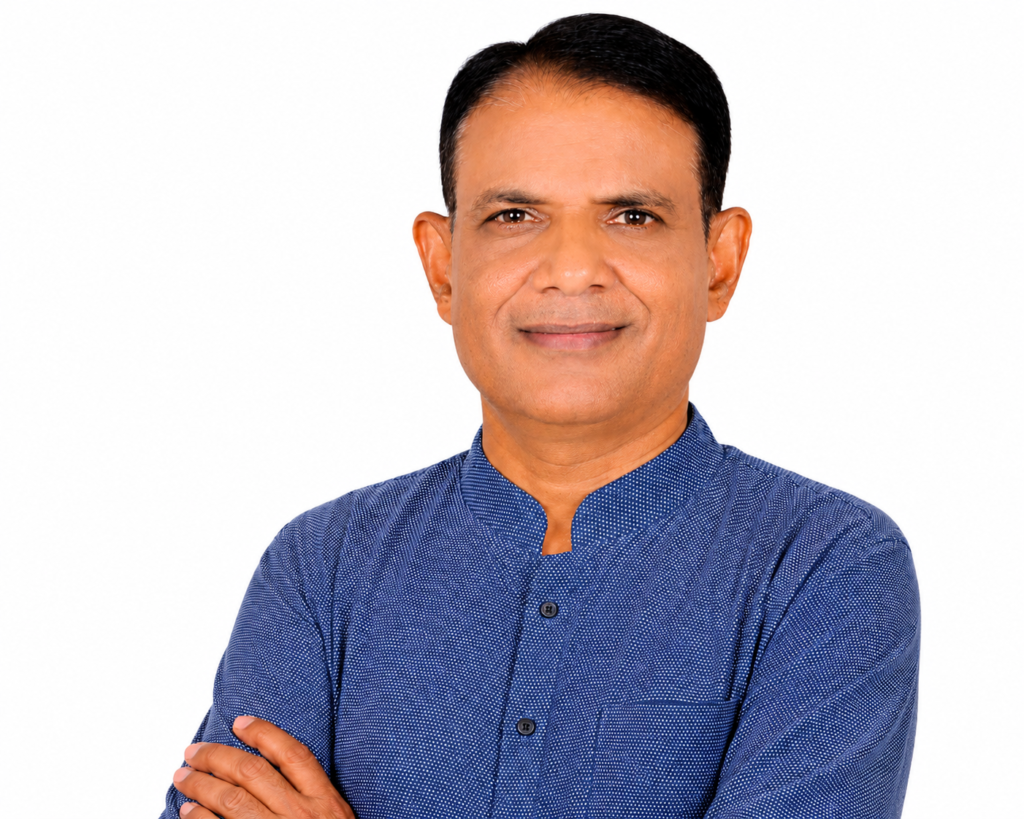
About Ram Naresh Yadav -Ram Naresh Yadav is an author,technocrat,political reform advocate and institution builder.
लेखक | तकनीकी विशेषज्ञ | राजनीतिक सुधार के पक्षधर | संस्थान निर्माता
Who He Is | परिचय
Ram Naresh Yadav is an author, technocrat, political reform advocate and institution builder whose work focuses on citizen empowerment, democratic reforms, responsive governance and long-term social transformation.
An alumnus of IIT Kanpur and an officer selected through the UPSC Engineering Services Examination, 1995 batch, he served the Government of India for more than two decades. After reaching the Senior Administrative Grade, he opted for voluntary retirement to devote the next phase of his life to research, writing, public engagement and institution building.
His work brings together professional experience, public administration, democratic thought and an enduring concern for the dignity and empowerment of ordinary citizens. Through books, campaigns and institutional initiatives, he seeks to bridge the distance between ideas and action.
राम नरेश यादव एक लेखक, तकनीकी विशेषज्ञ, राजनीतिक सुधार के पक्षधर और संस्थान निर्माता हैं। उनका कार्य नागरिक सशक्तीकरण, लोकतांत्रिक सुधार, उत्तरदायी शासन और दीर्घकालिक सामाजिक परिवर्तन पर केंद्रित है।
वे आईआईटी कानपुर के पूर्व छात्र हैं तथा संघ लोक सेवा आयोग की भारतीय इंजीनियरिंग सेवा परीक्षा के 1995 बैच के माध्यम से चयनित अधिकारी रहे हैं। भारत सरकार में दो दशकों से अधिक समय तक सेवा करने और वरिष्ठ प्रशासनिक ग्रेड तक पहुँचने के बाद उन्होंने स्वैच्छिक सेवानिवृत्ति लेकर अपने जीवन के अगले चरण को शोध, लेखन, जनसहभागिता और संस्थान निर्माण के लिए समर्पित किया।
उनका कार्य व्यावसायिक अनुभव, सार्वजनिक प्रशासन, लोकतांत्रिक चिंतन तथा सामान्य नागरिकों की गरिमा और सशक्तीकरण के प्रति गहरी प्रतिबद्धता को एक साथ जोड़ता है। पुस्तकों, अभियानों और संस्थागत पहलों के माध्यम से वे विचार और व्यवहार के बीच की दूरी कम करने का प्रयास कर रहे हैं।
At a Glance | एक नज़र में
- Primary School , Middle School , Barodih, Garhwa, Jharkhand
- High School , Govind High School Garhwa, Jharkhand
- I.Sc. , GLA College Daltonganj, Jharkhand
- B.Sc.(Engineering) in Civil Engineering, BIT Sindri
- M.Tech. in Civil Engineering, IIT Kanpur
एम.टेक. सिविल इंजीनियरिंग, आईआईटी कानपुर - UPSC Engineering Services Examination, 1995 Batch
संघ लोक सेवा आयोग भारतीय इंजीनियरिंग सेवा, 1995 बैच - More than two decades of service in the Government of India
भारत सरकार में दो दशकों से अधिक की सेवा - Senior Administrative Grade officer before voluntary retirement
स्वैच्छिक सेवानिवृत्ति से पूर्व वरिष्ठ प्रशासनिक ग्रेड के अधिकारी - Author, researcher and public engagement practitioner
लेखक, शोधकर्ता और जनसहभागिता के क्षेत्र में कार्यरत - Founder President, Aam Avaam Vikas Morcha
संस्थापक अध्यक्ष, आम अवाम विकास मोर्चा - Founder and promoter of citizen-centric institutions and initiatives
नागरिक–केंद्रित संस्थानों और पहलों के संस्थापक एवं प्रेरक
His journey | उनकी यात्रा
Ram Naresh Yadav’s educational journey began in a rural environment. From primary schooling, he progressed through high school and intermediate education, completed his graduation and later pursued postgraduate technical education at IIT Kanpur.
This journey—from a village school to one of India’s leading institutions of technology—was not merely a progression through academic qualifications. It exposed him to different social realities, educational environments and levels of opportunity. It also strengthened his belief that talent is widely distributed, while access, encouragement and institutional support are not.
After completing his postgraduate education, he was associated with teaching during the early phase of his professional career. Teaching gave him an opportunity to work closely with young people and appreciate the transformative role of education, mentorship and a supportive institutional environment.
His selection through the UPSC Engineering Services Examination, 1995 batch, marked the beginning of a long career in public service. During more than two decades in the Government of India, he worked within engineering, administration and institutional systems and gained direct experience of how public policies, administrative structures and government institutions affect citizens’ lives.
The experience also helped him recognise an important reality: public institutions can achieve their intended purpose only when citizens possess the knowledge, confidence and capacity required to access them, question them and participate in them.
After reaching the Senior Administrative Grade, he chose voluntary retirement. The decision was not a withdrawal from public service, but a transition to a different form of public engagement—one centred on research, writing, citizen leadership and institution building.
राम नरेश यादव की शिक्षा-यात्रा ग्रामीण परिवेश से प्रारम्भ हुई। प्राथमिक शिक्षा से आगे बढ़ते हुए उन्होंने हाई स्कूल और इंटरमीडिएट की शिक्षा प्राप्त की, स्नातक अध्ययन पूरा किया और बाद में आईआईटी कानपुर से उच्च तकनीकी शिक्षा ग्रहण की।
गाँव के विद्यालय से देश के एक प्रमुख तकनीकी संस्थान तक की यह यात्रा केवल शैक्षणिक योग्यताओं का क्रम नहीं थी। इसने उन्हें अलग-अलग सामाजिक वास्तविकताओं, शैक्षणिक वातावरण और अवसरों की असमान उपलब्धता को निकट से देखने का अवसर दिया। इससे उनका यह विश्वास मजबूत हुआ कि प्रतिभा समाज के प्रत्येक हिस्से में उपलब्ध है, लेकिन अवसर, प्रोत्साहन और संस्थागत सहयोग समान रूप से उपलब्ध नहीं हैं।
स्नातकोत्तर शिक्षा के बाद अपने व्यावसायिक जीवन के प्रारम्भिक चरण में वे अध्यापन से भी जुड़े। अध्यापन ने उन्हें युवाओं के साथ निकटता से काम करने और शिक्षा, मार्गदर्शन तथा सहायक संस्थागत वातावरण की परिवर्तनकारी भूमिका को समझने का अवसर दिया।
संघ लोक सेवा आयोग की भारतीय इंजीनियरिंग सेवा परीक्षा के 1995 बैच में चयन के साथ उनकी सार्वजनिक सेवा की दीर्घ यात्रा प्रारम्भ हुई। भारत सरकार में दो दशकों से अधिक समय तक उन्होंने इंजीनियरिंग, प्रशासन और संस्थागत व्यवस्थाओं के भीतर कार्य किया। इससे उन्हें यह प्रत्यक्ष अनुभव प्राप्त हुआ कि सार्वजनिक नीतियाँ, प्रशासनिक संरचनाएँ और सरकारी संस्थान सामान्य नागरिकों के जीवन को किस प्रकार प्रभावित करते हैं।
इन अनुभवों ने उन्हें एक महत्वपूर्ण वास्तविकता समझाई—सार्वजनिक संस्थाएँ तभी अपने उद्देश्य को पूरा कर सकती हैं, जब नागरिकों के पास उन्हें समझने, उनका उपयोग करने, उनसे प्रश्न पूछने और उनमें भागीदारी करने का ज्ञान, आत्मविश्वास और क्षमता हो।
वरिष्ठ प्रशासनिक ग्रेड तक पहुँचने के बाद उन्होंने स्वैच्छिक सेवानिवृत्ति का निर्णय लिया। यह सार्वजनिक सेवा से पीछे हटना नहीं था, बल्कि जनसेवा के एक नए रूप की ओर संक्रमण था—शोध, लेखन, नागरिक नेतृत्व और संस्थान निर्माण पर केंद्रित सार्वजनिक सहभागिता।
From Career to Mission | करियर से मिशन तक
Years of experience in education, engineering and public administration gradually led him to a central conclusion: India’s progress cannot depend only on capable governments, economic growth or physical infrastructure. It also requires capable, informed and responsible citizens.
A democracy becomes meaningful when citizens move beyond the role of passive voters or beneficiaries and become active participants in public life. Citizens must be able to understand institutions, access public services with dignity, hold authorities accountable and contribute to decision-making at the local and national levels.
This understanding shaped the direction of his research and writing. His books examine democracy, governance, politics, citizenship, social responsibility, human dignity and institutional reform. They are intended not only to identify problems but also to propose practical frameworks for change.
For him, books are the beginning of a process—not its conclusion. Ideas must reach citizens, encourage dialogue, support collective learning and eventually take institutional form. This conviction connects his writing with the National Citizen Building Campaign and his wider institution-building work.
शिक्षा, इंजीनियरिंग और सार्वजनिक प्रशासन के अनुभवों ने धीरे-धीरे उन्हें एक केंद्रीय निष्कर्ष तक पहुँचाया—भारत की प्रगति केवल सक्षम सरकारों, आर्थिक विकास या भौतिक अवसंरचना पर निर्भर नहीं रह सकती। इसके लिए सक्षम, जागरूक और उत्तरदायी नागरिक भी आवश्यक हैं।
लोकतंत्र तभी सार्थक होता है, जब नागरिक केवल मतदाता या लाभार्थी की निष्क्रिय भूमिका से आगे बढ़कर सार्वजनिक जीवन के सक्रिय भागीदार बनें। नागरिकों में संस्थाओं को समझने, गरिमा के साथ सार्वजनिक सेवाओं तक पहुँचने, प्रशासन से उत्तरदायित्व की माँग करने और स्थानीय से राष्ट्रीय स्तर तक निर्णय-प्रक्रिया में योगदान देने की क्षमता होनी चाहिए।
इसी समझ ने उनके शोध और लेखन की दिशा निर्धारित की। उनकी पुस्तकें लोकतंत्र, प्रशासन, राजनीति, नागरिकता, सामाजिक उत्तरदायित्व, मानवीय गरिमा और संस्थागत सुधार जैसे विषयों पर केंद्रित हैं। इनका उद्देश्य केवल समस्याओं की पहचान करना नहीं, बल्कि परिवर्तन के लिए व्यावहारिक रूपरेखा प्रस्तुत करना भी है।
उनके लिए पुस्तकें किसी प्रक्रिया का अंत नहीं, बल्कि उसकी शुरुआत हैं। विचारों को नागरिकों तक पहुँचना चाहिए, संवाद को जन्म देना चाहिए, सामूहिक सीख को प्रोत्साहित करना चाहिए और अंततः संस्थागत रूप ग्रहण करना चाहिए। यही विश्वास उनके लेखन को राष्ट्रीय नागरिक निर्माण अभियान और व्यापक संस्थान निर्माण के कार्य से जोड़ता है।
Guiding Principles | मार्गदर्शक सिद्धांत
Interdependence | परस्पर निर्भरता
Human beings, communities, institutions, nations and nature are deeply interconnected. Individual well-being cannot be permanently separated from the well-being of society and the environment.
मनुष्य, समुदाय, संस्थाएँ, राष्ट्र और प्रकृति एक-दूसरे से गहराई से जुड़े हैं। व्यक्ति का स्थायी कल्याण समाज और पर्यावरण के कल्याण से अलग नहीं हो सकता।
Synergy | सामूहिक शक्ति
Sustainable change rarely comes from isolated effort. When citizens, communities and institutions work towards a shared purpose, their combined impact becomes greater than the sum of their individual efforts.
स्थायी परिवर्तन प्रायः अलग-अलग प्रयासों से नहीं आता। जब नागरिक, समुदाय और संस्थाएँ किसी साझा उद्देश्य के लिए साथ कार्य करते हैं, तो उनका संयुक्त प्रभाव व्यक्तिगत प्रयासों के कुल योग से कहीं अधिक हो जाता है।
Dignity | गरिमा
Every person deserves respect, opportunity and access to public institutions without humiliation or discrimination. Development must therefore be measured not only by income and infrastructure, but also by dignity and quality of life.
प्रत्येक व्यक्ति सम्मान, अवसर और बिना अपमान या भेदभाव के सार्वजनिक संस्थाओं तक पहुँच का अधिकारी है। इसलिए विकास का आकलन केवल आय और अवसंरचना से नहीं, बल्कि गरिमा और जीवन की गुणवत्ता से भी होना चाहिए।
Citizen Responsibility | नागरिक उत्तरदायित्व
Rights and entitlements must be accompanied by awareness, responsibility and participation. Democracy becomes stronger when citizens shift from being passive subjects or beneficiaries to informed and responsible partners.
अधिकारों और सुविधाओं के साथ जागरूकता, उत्तरदायित्व और भागीदारी भी आवश्यक है। लोकतंत्र तब मजबूत होता है, जब नागरिक निष्क्रिय प्रजा या लाभार्थी की भूमिका से आगे बढ़कर जागरूक और उत्तरदायी भागीदार बनते हैं।
Areas of Work | प्रमुख कार्यक्षेत्र
Books and Research | पुस्तकें और शोध
His books explore alternative politics, democratization of democracy, governance, citizen empowerment, social values, dignity, public responsibility and the development challenges of Jharkhand and India.
उनकी पुस्तकें वैकल्पिक राजनीति, लोकतंत्र के लोकतंत्रीकरण, प्रशासन, नागरिक सशक्तीकरण, सामाजिक मूल्यों, गरिमा, सार्वजनिक उत्तरदायित्व तथा झारखंड और भारत की विकास-संबंधी चुनौतियों पर केंद्रित हैं।
Democratic and Political Reforms | लोकतांत्रिक और राजनीतिक सुधार
He advocates reforms that make democratic institutions more participatory, transparent, decentralised and accountable to citizens in their everyday lives.
वे ऐसे सुधारों के पक्षधर हैं जो लोकतांत्रिक संस्थाओं को अधिक सहभागी, पारदर्शी, विकेंद्रीकृत और सामान्य नागरिकों के प्रति उत्तरदायी बनाएँ।
Citizen and Youth Leadership | नागरिक एवं युवा नेतृत्व
A major part of his work is directed towards helping citizens—particularly youth and women—develop life skills, civic awareness, democratic confidence and leadership capabilities.
उनके कार्य का एक महत्वपूर्ण भाग नागरिकों—विशेष रूप से युवाओं और महिलाओं—में जीवन कौशल, नागरिक जागरूकता, लोकतांत्रिक आत्मविश्वास और नेतृत्व क्षमता विकसित करने पर केंद्रित है।
Institution Building | संस्थान निर्माण
He believes that good institutions can carry ideas beyond the life and capacity of any individual. Institution building is therefore central to his vision of long-term social transformation.
उनका विश्वास है कि अच्छे संस्थान किसी व्यक्ति के जीवन और व्यक्तिगत क्षमता से आगे भी विचारों को निरंतर आगे बढ़ा सकते हैं। इसलिए दीर्घकालिक सामाजिक परिवर्तन के उनके विज़न में संस्थान निर्माण का केंद्रीय स्थान है।
Institutional Ecosystem | संस्थागत इकोसिस्टम
National Citizen Building Campaign (NCBC)
राष्ट्रीय नागरिक निर्माण अभियान
A national initiative focused on empowering citizens, particularly youth and women, through life skills, employment-oriented capabilities, digital leadership, civic awareness and democratic participation.
जीवन कौशल, रोजगारोन्मुख क्षमताओं, डिजिटल नेतृत्व, नागरिक जागरूकता और लोकतांत्रिक भागीदारी के माध्यम से विशेष रूप से युवाओं और महिलाओं को सशक्त बनाने की राष्ट्रीय पहल।
Briksh CoAction Foundation
An institutional platform intended to support collaborative action, social initiatives and citizen-centred programmes. Its independent website will present its projects and organisational work in detail.
सहयोगात्मक कार्य, सामाजिक पहलों और नागरिक-केंद्रित कार्यक्रमों को आगे बढ़ाने के उद्देश्य से स्थापित संस्थागत मंच। इसकी स्वतंत्र वेबसाइट पर इसकी परियोजनाओं और संगठनात्मक कार्यों की विस्तृत जानकारी उपलब्ध होगी।
Briksh Prakashan | बृक्ष प्रकाशन
A publishing initiative created to take books, ideas and public knowledge to a wider readership.
पुस्तकों, विचारों और जनोपयोगी ज्ञान को व्यापक पाठक समुदाय तक पहुँचाने के लिए स्थापित प्रकाशन पहल।
Aam Avaam Vikas Morcha | आम अवाम विकास मोर्चा
Ram Naresh Yadav is the Founder President of Aam Avaam Vikas Morcha, an organisation associated with citizen-centred public participation, democratic engagement and alternative political thought.
राम नरेश यादव आम अवाम विकास मोर्चा के संस्थापक अध्यक्ष हैं। यह संगठन नागरिक-केंद्रित जनभागीदारी, लोकतांत्रिक सहभागिता और वैकल्पिक राजनीतिक चिंतन से जुड़ा है।
Vision | विज़न
His vision is to contribute to the emergence of an India where citizens are informed, capable and empowered; democracy extends beyond elections into everyday social, administrative and institutional life; public institutions function with accountability and sensitivity; and development reaches every person with dignity and equal opportunity.
This vision is expressed through the guiding motto:
Empowered Citizens • Democratized Democracy • Developed India
उनका विज़न ऐसे भारत के निर्माण में योगदान देना है जहाँ नागरिक जागरूक, सक्षम और सशक्त हों; लोकतंत्र चुनावों तक सीमित न रहकर सामाजिक, प्रशासनिक और संस्थागत जीवन में भी दिखाई दे; सार्वजनिक संस्थाएँ उत्तरदायित्व और संवेदनशीलता के साथ कार्य करें; तथा विकास प्रत्येक व्यक्ति तक गरिमा और समान अवसर के साथ पहुँचे।
इस विज़न को निम्न मार्गदर्शक सूत्र में अभिव्यक्त किया गया है:
सशक्त नागरिक • लोकतंत्र का लोकतंत्रीकरण • विकसित भारत
A Continuing Journey | एक निरंतर यात्रा
Ram Naresh Yadav’s journey—from rural education to IIT Kanpur, from teaching and engineering to senior public service, and from professional career to research, books and institution building—continues to be guided by one central purpose: connecting knowledge with action and citizens with institutions.
He believes that the future of India depends not only on what governments do, but also on what citizens understand, demand, create and contribute.
ग्रामीण शिक्षा से आईआईटी कानपुर तक, अध्यापन और इंजीनियरिंग से वरिष्ठ सार्वजनिक सेवा तक तथा व्यावसायिक करियर से शोध, पुस्तकों और संस्थान निर्माण तक राम नरेश यादव की यात्रा एक केंद्रीय उद्देश्य से निर्देशित रही है—ज्ञान को कार्य से और नागरिकों को संस्थाओं से जोड़ना।
उनका विश्वास है कि भारत का भविष्य केवल इस पर निर्भर नहीं करता कि सरकारें क्या करती हैं, बल्कि इस पर भी निर्भर करता है कि नागरिक क्या समझते हैं, क्या माँग करते हैं, क्या निर्माण करते हैं और क्या योगदान देते हैं।
Let Us Connect | आइए जुड़ें
यदि आप नागरिक सशक्तीकरण, लोकतांत्रिक सुधार, संस्थान निर्माण, मेरी पुस्तकों या सार्थक सहयोग की संभावनाओं पर संवाद करना चाहते हैं, तो संपर्क करें। आपके विचारों और सुझावों का स्वागत है। If you would like to discuss citizen empowerment, democratic reform, institution building, my books, or opportunities for meaningful collaboration, please feel free to connect.